
Social isolation and loneliness
Social isolation and loneliness
Being socially isolated and feeling lonely can affect your mental wellbeing and physical health and can increase your risk of heart disease. Having social connections, healthy personal relationships, and being part of a community are essential to maintaining your mental wellbeing.
What is the difference between social isolation and loneliness?
People who are socially isolated have little interaction or contact with other people in their daily life. For some people being alone is OK. For others, it might lead to feelings of loneliness. Loneliness is the feeling of being disconnected from others – even when people are around.
Signs you might be experiencing social isolation or loneliness
You might notice:
- feeling disconnected from others
- difficulty starting or maintaining conversations
- withdrawing from social activities
- feeling left out or unseen
- reduced sense of purpose or belonging.
If these patterns persist for weeks or months, it may be helpful to take intentional steps to strengthen social connections.
Why managing social isolation and loneliness matters
Social isolation and loneliness are associated with an increased risk of depression, anxiety, poor sleep, and chronic health conditions.
There’s strong evidence that social connection:
- supports emotional wellbeing
- reduces stress
- improves resilience
- supports cognitive and physical health.
Staying connected
After a heart attack, heart event or diagnosis of a heart condition, it’s important to stay connected with your family and friends. They can offer support and encouragement as you recover and adjust to a new normal. Hearing about what is going on in their lives can also be a helpful distraction.
You can also connect with others through a cardiac rehabilitation program and our MyHeart MyLife online peer support community. They are both great ways to connect with others living with heart disease who are on a similar journey to you.
You could also consider joining a Heart Foundation Walking group. With walking groups available all over Australia, it’s a great opportunity to connect with others while also staying active.
Reconnect with existing relationships
Reaching out to people you already know is a powerful way to strengthen your support network. Even a brief message, phone call or check‑in can help maintain bonds and remind you that you’re not alone. Being open about how you’re feeling, showing genuine interest in the other person, and creating small routines like weekly calls or coffee catch ups can make staying connected feel more natural and meaningful.
Build new connections gradually
Expanding your social circle doesn’t need to happen all at once; taking small, manageable steps can help you form new relationships in a comfortable way. Joining activities or groups that align with your interests provides an easy starting point for conversation and shared experiences. This might include local community groups, sports clubs, hobby classes, volunteering, or even online communities that lead to in‑person meetups.
Take care of your heart and mind through connection and support. Print these daily reminders
Where to find support:
Immediate crisis support
If you are in immediate danger or thinking about harming yourself or someone else, call Triple Zero (000). For immediate emotional support 24/7, contact:
- Lifeline – 13 11 14
- Suicide Call Back Service – 1300 659 467
Beyond Blue – information and support: https://www.beyondblue.org.au/mental-health/loneliness
Lifeline – 24/7 crisis support and online chat: www.lifeline.org.au/ or call 13 11 14
Healthdirect – Information on loneliness and isolation: https://www.healthdirect.gov.au/loneliness-isolation-mental-health
MindSpot Clinic – coping with social isolation: https://www.mindspot.org.au/info/social-isolation/
Black Dog Institute – https://www.blackdoginstitute.org.au/news/what-is-loneliness-and-how-can-we-overcome-it-during-these-times/
Medicare Mental Health: A free service (funded by the Australia government) that connects you with a range of mental health professionals for support. Call 1800 595 212 or visit the website: www.medicarementalhealth.gov.au/
You might also be interested in...

When the heart gets heavy: Emotional wellbeing and heart conditions
Emotional wellbeing is like a garden - it needs care.
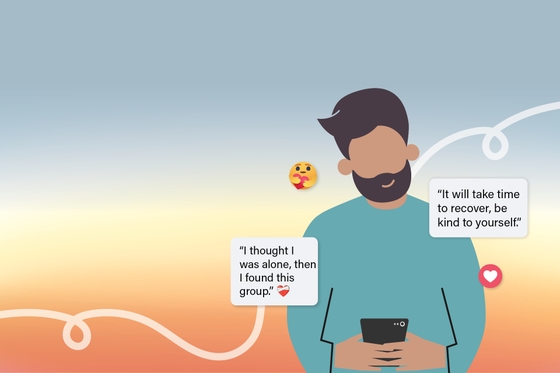
Peer Support Network
Our Peer Support online communities are a safe supportive way to share your experiences of living with a heart condition and connect with others who truly understand what you're going through.

Who to contact
These organisations offer different types of mental health and wellbeing support.
References:
Beyond Blue. Loneliness and social connection. Accessed 24 March 2026. https://www.beyondblue.org.au/mental-health/loneliness
Healthdirect Australia. Mental health and social wellbeing. Accessed 24 March 2026. https://www.healthdirect.gov.au/mental-health
Australian Institute of Health and Welfare. Social isolation and mental health. Accessed 24 March 2026. https://www.aihw.gov.au/mental-health
Volunteering Australia. Community connection and wellbeing. Accessed 24 March 2026. https://www.volunteeringaustralia.org
Australian Government Department of Health and Aged Care. Medicare Mental Health. Accessed 24 March 2026. https://www.medicarementalhealth.gov.au/
Royal Australian College of General Practitioners; Consumers Health Forum of Australia. Social prescribing roundtable report and recommendations. 2020. https://www.racgp.org.au/advocacy/advocacy-resources/social-prescribing-report-and-recommendations. Accessed March 31, 2026.
Heart Foundation Walking. For health professionals. https://www.heartfoundationwalking.org.au/for-health-professionals. Accessed March 31, 2026.
Department of Health and Social Care. Physical activity guidelines: UK Chief Medical Officers’ report. 2020. https://www.gov.uk/government/publications/physical-activity-guidelines-uk-chief-medical-officers-report. Accessed March 31, 2026.
Last updated19 May 2026